
How Fake Reviews Damage Your Brand and What You Can Do About It
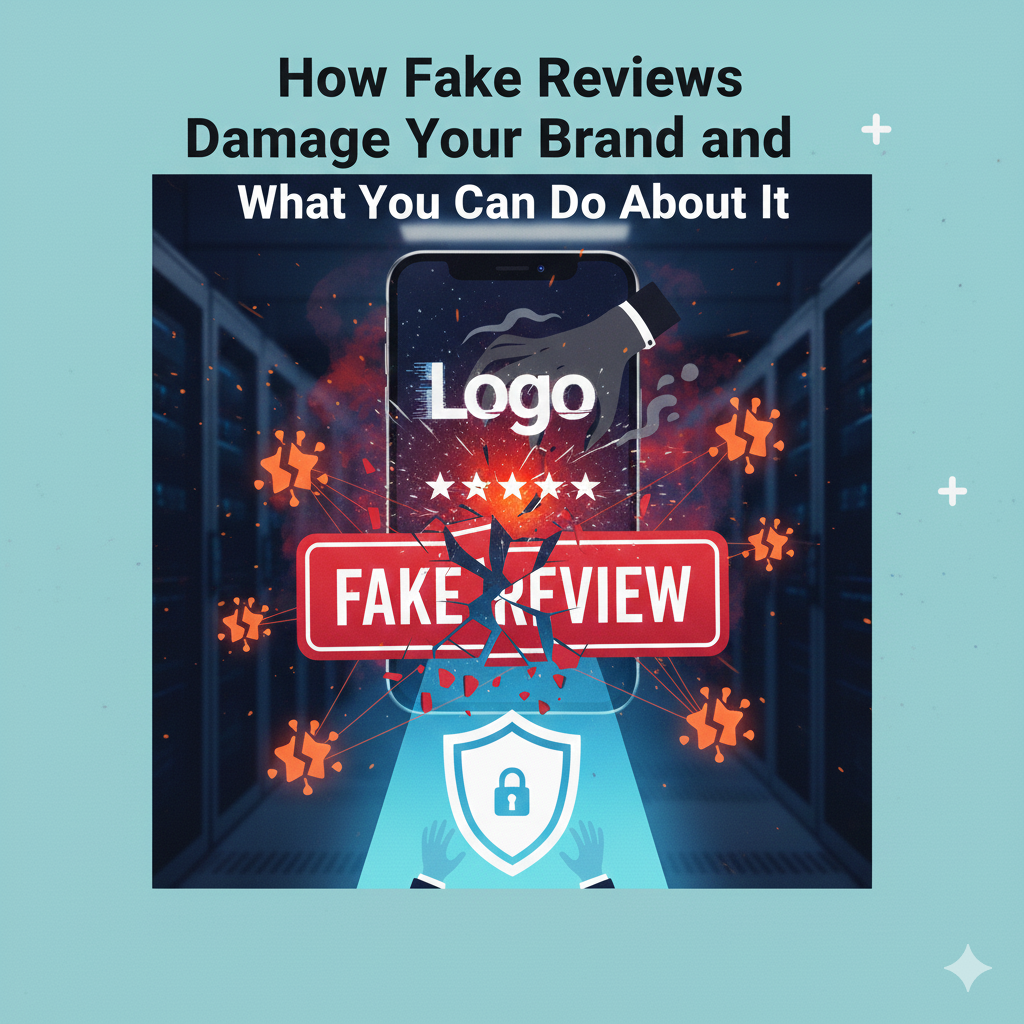
Online reviews have become one of the most influential factors in customer decision-making. Whether someone is choosing a restaurant, a lawyer, a doctor, or an e-commerce product, reviews shape trust and influence conversions. Unfortunately, the rise of fake reviews—both positive and negative—has become a serious threat for businesses. These deceptive reviews can harm credibility, mislead customers, and directly impact revenue. Understanding how fake reviews damage your brand and what you can do to fight them is essential in today’s digital marketplace.
The Growing Impact of Fake Reviews in the Digital Era
Fake reviews are more common than most businesses realize. They may come from competitors, disgruntled individuals, bots, or even hired third-party groups. With millions relying on platforms like Google, Yelp, Amazon, and Trustpilot, even a few misleading reviews can significantly shape public perception. Studies show that most consumers trust online reviews as much as personal recommendations—meaning fake feedback can quickly erode trust.
Whether positive or negative, fake reviews create false expectations, distort brand reputation, and weaken customer loyalty. They undermine the fairness of the online marketplace and can trigger long-term damage if not addressed promptly.
How Negative Fake Reviews Harm Your Brand
Damaged Credibility and Loss of Trust
Negative fake reviews can instantly raise doubts about your reliability. When potential customers see complaints about poor service, fraud, defects, or unethical behavior—even if untrue—they may avoid your business entirely. Online trust is fragile, and fake reviews can break it with just a few clicks.
Lower Search Rankings
Search engines and review platforms factor ratings into visibility. A sudden drop in ratings from fake reviews can lower your placement on:
- Google search
- Google Maps
- Yelp listings
- Amazon product pages
Lower visibility means fewer customers find your business, resulting in lost revenue.
Decreased Sales and Conversions
Customers rely on ratings to make decisions. If fake negative reviews scare them away, your competitors benefit. Research shows that businesses can lose up to 22% of customers after a single negative review—and much more after multiple bad reviews, even if they are false.
The Hidden Risks of Fake Positive Reviews
While negative fake reviews are damaging, fake positive reviews can be equally risky. Some businesses attempt to “boost” their ratings with paid or fabricated reviews, but this approach backfires.
Violation of Platform Policies
Platforms like Google, Yelp, and Amazon heavily penalize businesses caught posting or soliciting fake positive reviews. Penalties may include:
- Profile suspension
- Review removal
- Account bans
- Permanent ranking penalties
Loss of Customer Trust
When customers discover inconsistency between reviews and real experiences, trust collapses. Misleading positivity may attract customers initially, but it harms reputation long-term when expectations are not met.
Legal Consequences
In many countries, posting fake reviews violates consumer protection laws. Businesses face serious legal risks if they engage in this practice.
How to Identify Fake Reviews Quickly
Recognizing fake reviews helps protect your brand. Common signs include:
- Extremely vague or extremely detailed stories
- Repeated wording across different reviewers
- Reviews posted in bulk within a short time
- Profiles with no activity except one review
- Overly emotional or exaggerated language
- Competitor mentions or comparisons
Regularly monitoring your review platforms helps you catch suspicious patterns fast.
What You Can Do to Combat Fake Reviews
Report Fake Reviews to Platforms
Most review platforms allow businesses to report reviews that violate their policies. Provide clear evidence when reporting, such as:
- Proof the reviewer was never a customer
- Violations of content guidelines
- Duplicate or bot-generated activity
Platforms often remove fake reviews once they confirm the violation.
Respond Professionally to Suspicious Reviews
Even if a review seems fake, respond politely and professionally. This shows transparency and commitment to customer satisfaction. A calm, factual response helps:
- Reassure potential customers
- Demonstrate accountability
- Highlight inconsistencies in the fake review
Encourage Genuine Customer Feedback
The best defense against fake reviews is a strong base of genuine positive reviews. Ask satisfied customers to leave feedback on:
- Yelp
- Trustpilot
- Industry platforms
Authentic reviews help push fake ones down and strengthen your rating.
Use Online Reputation Management Tools
ORM tools help track fake reviews, monitor brand mentions, and flag suspicious activity. Popular tools include:
- BrandWatch
- ReviewTrackers
- Mention
- Google Alerts
These tools help you act before the damage spreads.
Work With Online Reputation Experts
If fake reviews are causing significant harm, ORM professionals can help with:
- Review suppression
- Content creation
- Legal escalation
- Search result management
- Digital PR strategies
Experts ensure your brand stays protected and visible.
Final Thoughts: Protect Your Brand Before Damage Spreads
Fake reviews are more than just an inconvenience—they are a direct threat to your credibility, customer trust, and financial success. By identifying fake reviews early, taking swift action, and strengthening your online presence with genuine feedback, you can protect your brand from long-term damage. Proactive reputation management ensures that your digital identity remains strong, trustworthy, and resilient in today’s competitive online landscape.