

Why Every Business Needs an ORM Strategy Before a Crisis Hits
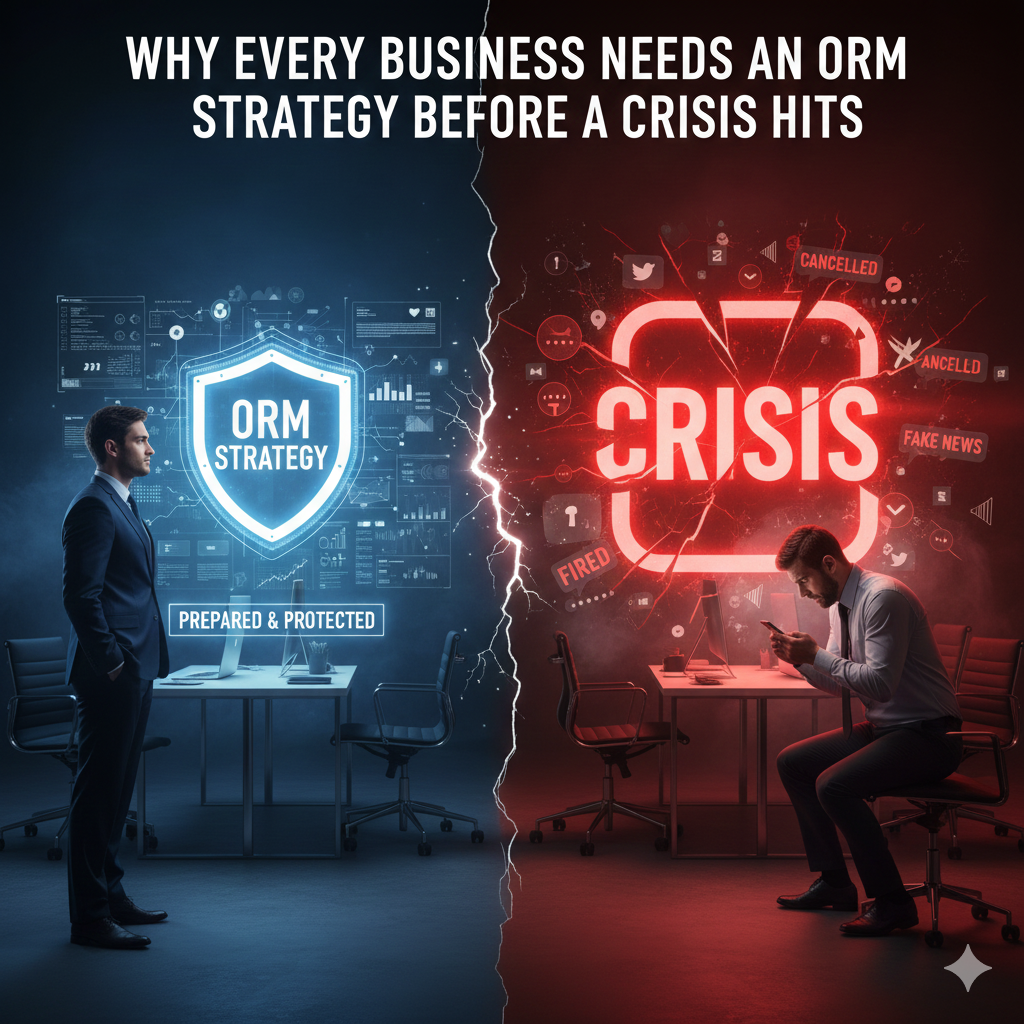
In today’s digital world, a company’s reputation can be built, or destroyed, online in a matter of hours. Social media platforms, review sites, and news outlets amplify every positive or negative incident, making it critical for businesses to manage their online image proactively. This is where Online Reputation Management (ORM) comes into play. Waiting until a crisis hits can be disastrous. Let’s explore why every business, regardless of size, needs an ORM strategy in place before a crisis arises.
Understanding Online Reputation Management (ORM)
Online Reputation Management (ORM) refers to the strategic monitoring, influencing, and controlling of a brand’s perception on the internet. ORM involves identifying potential threats to your reputation, responding to negative feedback, amplifying positive content, and maintaining consistent communication with your audience.
Businesses often associate ORM with crisis control after an issue arises. However, the most effective approach is preventive, focusing on reputation protection before negative events occur. A proactive ORM strategy can save a company from financial losses, customer attrition, and long-term brand damage.
The High Cost of Waiting for a Crisis
Waiting until a crisis occurs to manage your reputation is akin to firefighting. While you may contain the damage, the consequences can be severe:
- Loss of consumer trust: Negative news spreads rapidly, and customers may never return if they feel your brand is unreliable.
- Financial impact: A tarnished reputation can lead to decreased sales, investor hesitation, and potential legal costs.
- Employee morale and retention: Staff often lose confidence in a brand during crises, which can result in talent loss.
Statistics show that 82% of consumers read online reviews before making a purchase, and a single negative story can significantly affect brand perception. Businesses that ignore ORM are leaving their public image vulnerable to sudden attacks.
Early Detection of Potential Issues
A strong ORM strategy includes constant monitoring of online mentions, social media activity, reviews, and news coverage. Early detection of negative trends allows businesses to address issues before they escalate.
For instance, monitoring platforms can alert a brand to an emerging complaint trend, giving them the chance to:
- Respond promptly to dissatisfied customers
- Correct misleading information
- Address operational or product issues proactively
This proactive approach not only minimizes damage but also demonstrates to customers that the business is attentive and responsive.
Building Trust Through Positive Content
ORM is not just about damage control—it’s equally about amplifying your brand’s positive presence. By consistently creating high-quality content, such as blogs, social media posts, and press releases, businesses can shape their online narrative.
When a crisis does occur, a robust foundation of positive content can act as a buffer, helping maintain credibility and reassure stakeholders. Brands that invest in ORM regularly showcase transparency, reliability, and expertise—qualities that strengthen long-term trust with consumers.
Preparing a Crisis Response Plan
An effective ORM strategy incorporates a crisis response plan tailored to potential scenarios. This plan includes:
- Pre-approved statements for social media and press communications
- Escalation procedures for different types of crises
- Clear roles and responsibilities for team members handling the situation
Having these elements in place ensures that the brand can respond quickly and professionally, reducing the risk of miscommunication or further reputational damage.
Competitive Advantage Through ORM
Businesses that prioritize ORM enjoy a significant competitive edge. In an era where reviews, ratings, and social media sentiment influence purchasing decisions, companies with a well-managed online reputation attract more customers, partners, and investors.
Moreover, proactive ORM strategies can highlight your brand’s values, achievements, and customer-centric culture. This positioning not only protects your reputation but also differentiates you from competitors who may only react after a crisis strikes.
Long-Term Benefits of Preemptive ORM
Implementing ORM before a crisis provides lasting advantages:
- Sustained brand credibility: Consistent positive engagement strengthens your brand image.
- Customer loyalty: Promptly addressing concerns builds long-term relationships.
- Mitigation of negative publicity: Early detection and response reduce the impact of crises.
- Enhanced search engine presence: Positive content and reviews improve SEO rankings, making it harder for negative content to dominate search results.
Businesses that understand the value of reputation management don’t wait for a problem—they build resilience through proactive strategies.
Conclusion: Don’t Wait—Act Now
In today’s fast-paced digital environment, no company is immune to reputational risk. Waiting for a crisis to strike before implementing an ORM strategy can cost businesses time, money, and trust. By adopting a proactive approach, monitoring online activity, generating positive content, and preparing crisis response plans, businesses can protect and strengthen their brand.
Ultimately, Online Reputation Management is not just a defensive tactic—it’s a long-term investment in the trust, credibility, and success of your business. Start planning today, and ensure your brand’s reputation remains bulletproof, even in the face of unexpected challenges.
