
Why Personal Branding Is the New Resume in the Digital Era
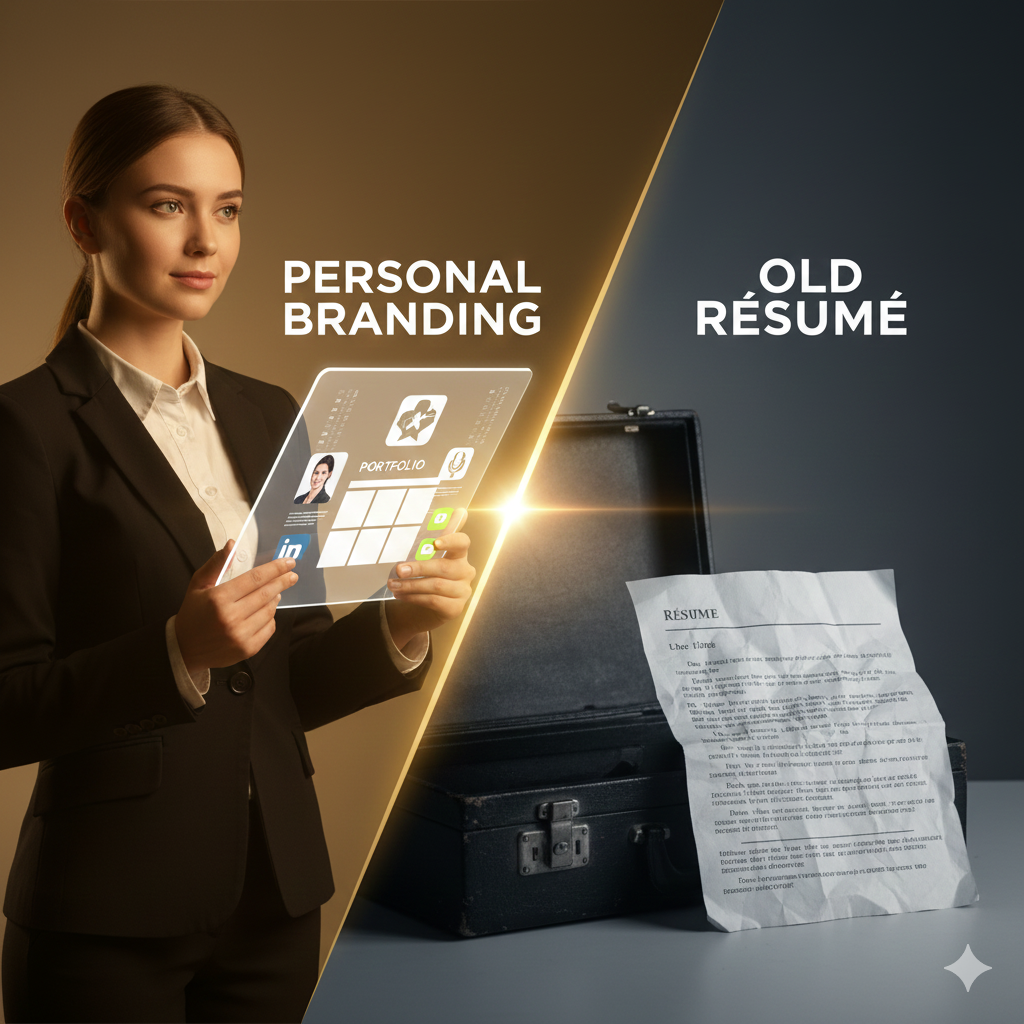
In today’s hyper-connected world, your personal brand speaks long before your résumé ever does. Employers, clients, partners, and even investors now turn to Google, LinkedIn, and social platforms to form opinions about who you are and what you bring to the table. In the digital era, personal branding has become the new résumé—more dynamic, more visible, and far more influential. Building a strong online identity is no longer optional; it’s essential for anyone seeking career growth, business opportunities, or professional credibility.
The Shift From Paper Résumés to Digital Identity
The traditional résumé once served as the primary tool to showcase your qualifications. Today, it is merely a supporting document. Before making decisions, most people search your name online to get the full story. A strong digital presence provides context that a résumé cannot—your expertise, personality, values, work style, network, achievements, and even your reputation.
Recruiters and hiring managers now use online profiles as screening tools. According to industry studies, over 80% of employers Google candidates before interviewing them. Your online brand communicates your professionalism, reliability, and relevance before you ever get the chance to speak for yourself.
Your Personal Brand Is Your Public Reputation
At its core, personal branding is about managing your reputation. It includes everything people see online:
- Social media profiles
- Articles or posts you’ve shared
- Your LinkedIn activity
- Interviews, videos, or podcasts you’ve appeared in
- Search results featuring your name
- Reviews or feedback from clients and employers
- Your website or portfolio
All these elements shape public perception and help define who you are professionally. The stronger and more intentional your digital brand is, the more trust and credibility you build.
Showcasing Expertise Through Digital Storytelling
Unlike a résumé—which focuses on bullet points and job history—your personal brand allows you to tell your story. You can highlight your personality, values, and career journey in a more dynamic way. Blog posts, videos, social media updates, and thought-leadership content demonstrate your expertise and passion for your field.
When you share knowledge consistently, you position yourself as an authority. This visibility attracts opportunities such as partnerships, speaking engagements, job offers, or consulting requests—far beyond what a résumé alone can generate.
Creating a Consistent and Professional Online Image
Consistency is a key factor in building a strong personal brand. Your messaging, tone, visuals, and content across all platforms should align. This includes:
- A professional headshot
- A clear personal or business bio
- A consistent color scheme or style
- Unified messaging about your skills and values
- Updated information about your work and achievements
When your digital presence looks polished and cohesive, it creates a powerful first impression and reinforces your professional identity.
Why Personal Branding Drives Career Opportunities
In the digital era, opportunities find you—and a strong personal brand makes that possible. Employers often search for candidates online before posting jobs publicly. Clients prefer to work with people who have established credibility. Even investors and partners research founders before reaching out.
A strong personal brand helps you stand out in a competitive marketplace. It signals competence, expertise, and consistency. People want to work with individuals they can trust—and your online brand is their first indicator of that trust.
How Your Personal Brand Influences Networking and Relationships
Networking is no longer limited to in-person meetings or industry events. Your online presence acts as a 24/7 networking tool, connecting you with professionals across the globe. Every post you share, comment you make, or discussion you join helps increase visibility.
When your digital brand reflects authority and professionalism, it opens doors to meaningful connections—mentors, collaborators, employers, and clients. A résumé cannot create these types of ongoing, organic relationships, but your personal brand can.
Using Social Media as a Branding Advantage
Social media platforms are powerful tools for personal branding. LinkedIn helps you showcase your professional journey. Instagram and Facebook offer a glimpse into your personality. YouTube and TikTok allow you to share insights, tutorials, and expertise in creative ways.
When used intentionally, these platforms become branding assets, helping you engage with your audience, grow your influence, and establish yourself as a leader in your niche.
Taking Control of Your Online Reputation
One of the biggest advantages of personal branding is the ability to shape your narrative. Instead of letting random search results or outdated pages define you, you can create and control the content associated with your name. This makes personal branding not just a career strategy but a crucial form of reputation management.
By owning your online presence, you protect yourself from misinformation, outdated information, and negative search results that could harm your image.
Final Thoughts: Your Brand Is Your Future
In the digital era, personal branding is no longer optional—it is the new résumé. It determines how you are perceived, what opportunities come your way, and how your professional story unfolds. Building a strong personal brand gives you authority, credibility, and visibility in a crowded digital world.
