
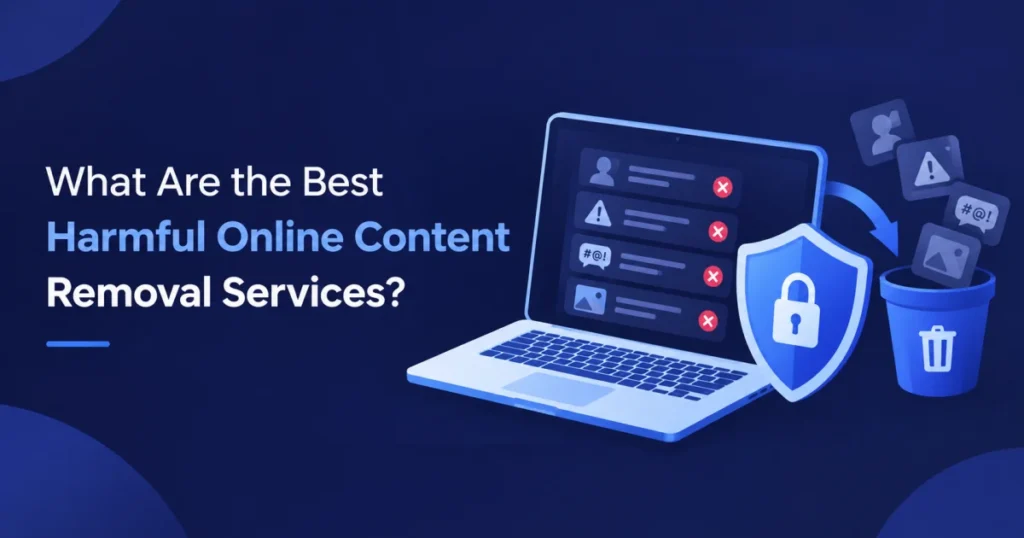
What Are the Best Harmful Online Content Removal Services?
The best harmful online content removal services combine legal know-how, technical removal tools, and ongoing monitoring. Reputation Method offers all three. It helps executives and brands remove harmful content, clean up search results, and stay compliant with platform and privacy rules. This guide explains how these services work and what to look for.
Why Harmful Content Is a Growing Risk for Brands
Harmful online content spreads fast. One post can reach thousands of people in minutes. For executives and brands, this creates real risk. A false claim can hurt stock prices. A leaked document can damage trust. A doctored image can spark a media firestorm.
This is not just a PR problem anymore. It is a business risk. Boards ask about it. Investors ask about it. Customers notice it. That is why more companies are searching for harmful online content solutions that go beyond simple review management.
What Counts as Harmful Online Content?
Harmful content comes in many forms. Some examples include:
- Defamatory statements about a company or executive
- Leaked private documents or data
- Deepfake images or videos
- Doxxing, or the exposure of private personal information
- Harassment campaigns on social media
- Content that violates copyright or trademark rights
- Posts that violate a platform’s own safety rules
Some of this content breaks the law. Some of it just breaks platform rules. Knowing the difference matters, because it changes how removal works.
Legal Removal vs. Technical Removal
There are two main paths for content removal. Understanding both helps you set realistic expectations.
Legal Compliance and Removal
Some content can be removed through legal channels. This includes:
- Copyright claims under laws like the DMCA
- Defamation claims, when a statement is false and damaging
- Privacy violations, such as exposed personal data
- Right-to-be-forgotten requests, in regions where this applies
Legal removal often requires working with an attorney. A reputation partner can help gather evidence, identify the right legal pathway, and coordinate with legal counsel. This keeps the process organized and faster.
Technical Content Removal
Not all harmful content breaks the law. Much of it simply violates a platform’s community guidelines. This is where technical content removal comes in.
This process includes:
- Filing formal reports with platforms like Google, Facebook, or X
- Using platform-specific removal tools
- Escalating cases that get ignored through proper channels
- Documenting violations clearly, so platforms act faster
Technical removal depends on each platform’s own rules. Every platform is different. A team that understands these rules can move faster than someone filing a report for the first time.
The Role of Content Moderation
Content moderation is not just something platforms do. Brands need their own moderation strategy too. This means watching for harmful content before it spreads.
Good content moderation includes:
- Monitoring brand mentions across search engines and social media
- Setting up alerts for sudden spikes in negative content
- Reviewing flagged content quickly
- Having a clear escalation plan for serious threats
Waiting too long is the biggest mistake brands make. Content spreads fast. A quick response can stop a small problem from becoming a big one.
Why Online Safety Matters for Executives
Executives face unique online safety risks. Personal information can be exposed. Harassment can target them directly. Fake accounts can impersonate them online.
Online safety solutions often include:
- Monitoring for impersonation accounts
- Removing exposed personal data from data broker sites
- Setting up alerts for new mentions across the web
- Coordinating with platforms during active harassment campaigns
Executives are public figures, even without seeking that role. Their digital footprint affects the whole company. Protecting them protects the brand too.
Digital Platform Safety and Compliance
Every major platform has its own safety policies. Google, Meta, and X all have rules about harassment, misinformation, and privacy violations. Digital platform safety means understanding these rules and using them effectively.
This also connects to broader legal compliance. Many countries now have data privacy laws. These laws affect how personal information can be shared, stored, and removed online. A strong content removal strategy accounts for these rules, not just platform policies.
How Reputation Method Approaches Harmful Content Removal
Reputation Method combines legal-aware strategy with hands-on technical work. Here is how the process typically works.
Step 1: Full Content Audit
The team reviews all harmful content connected to your brand or name. This includes search results, social media, forums, and news coverage.
Step 2: Case Classification
Each piece of content gets sorted. Some cases involve legal violations. Others involve platform violations. Some need both approaches.
Step 3: Coordinated Removal Strategy
For legal cases, the team works alongside legal counsel to pursue removal through the right channels. For platform violations, the team files detailed, well-documented reports designed to get faster results.
Step 4: Search Result Cleanup
Even after removal requests are filed, some content may still appear in search results for a period of time. The team works on suppression strategies to push down any remaining harmful content while formal removal is in progress.
Step 5: Ongoing Monitoring
Once the immediate threat is handled, monitoring continues. This catches new harmful content early, before it can spread widely again.
This process is built for reputation-sensitive brands and executives who need both speed and discretion.
Red Flags to Watch for When Choosing a Provider
Not every company offering harmful online content solutions works the same way. Watch for these warning signs.
- Promises of guaranteed removal within days
- No mention of working with legal counsel when needed
- Vague answers about their reporting process
- No experience with platform-specific removal tools
- No ongoing monitoring after the initial removal
A responsible provider will be upfront about timelines. They will also be clear about when legal counsel is needed, since reputation firms are not a substitute for an attorney.
Questions to Ask Before You Hire a Provider
- Do you work alongside legal counsel for cases that need it?
- What is your process for platform-based technical content removal?
- How do you handle search result cleanup while removal is pending?
- Do you offer ongoing monitoring after the case is resolved?
- Can you walk me through a past case, without naming the client?
- How do you handle compliance with privacy laws in different regions?
Clear answers to these questions separate serious providers from ones that overpromise.
Frequently Asked Questions
What is harmful online content removal?
It is the process of removing or suppressing content that damages a person’s or company’s reputation. This includes defamatory posts, leaked data, harassment, and content that violates platform rules or the law.
Can all harmful content be removed?
No. Some content qualifies for legal removal, such as copyright violations or clear defamation. Other content may only be removed if it breaks a platform’s rules. In some cases, suppression is used instead of removal.
How long does content removal take?
Platform-based removal can take days to weeks, depending on the platform. Legal removal can take longer, especially if it involves court action. Search result cleanup and suppression often take three to six months for full results.
Do I need a lawyer for harmful content removal?
Sometimes. Cases involving defamation, privacy violations, or copyright often benefit from legal counsel. A good reputation partner will tell you clearly when legal help is needed, instead of trying to handle everything alone.
What is the difference between content moderation and content removal?
Content moderation is ongoing monitoring to catch harmful content early. Content removal is the actual process of taking down or suppressing content that has already appeared.
Final Thoughts
Harmful online content is a real risk for executives and brands. It can spread fast and cause lasting damage. The right response combines legal awareness, technical removal skill, and ongoing monitoring.
Reputation Method offers harmful online content solutions built for reputation-sensitive brands. The approach covers legal compliance, technical content removal, content moderation, and long-term digital platform safety, all in one coordinated strategy.
If your brand or leadership team is facing harmful content online, do not wait for it to spread further. Reach out to Reputation Method today for a confidential content review.
