

The Ultimate Guide to Protecting Your Business from Online Attacks
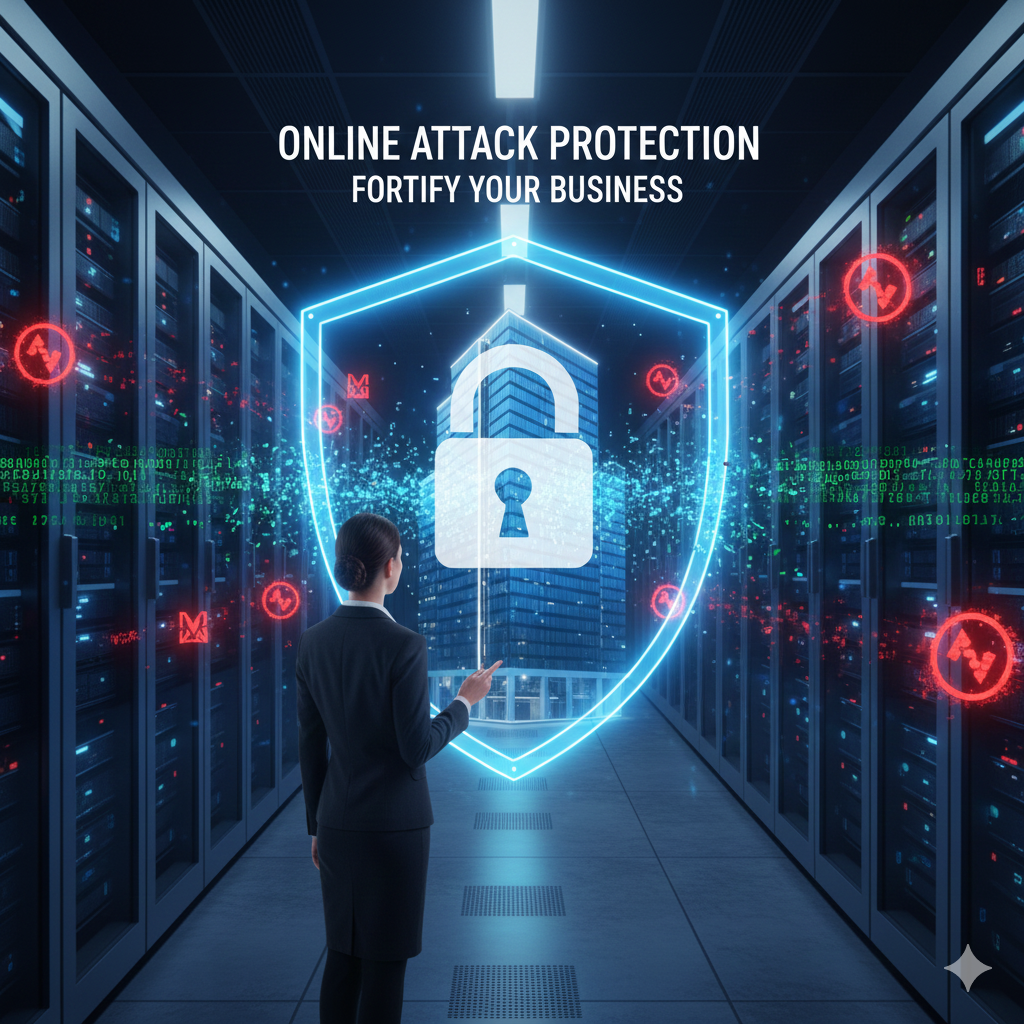
In today’s digital age, every business, regardless of size, faces increasing risks from online threats. Cybercriminals, hackers, and malicious competitors are constantly evolving their methods, making cybersecurity and reputation protection essential for long-term success. A single online attack can lead to financial loss, data breaches, damaged credibility, and long-lasting harm to your brand’s reputation. To keep your business safe, you need a proactive and strategic approach. This ultimate guide outlines the most effective steps to protect your business from online attacks and safeguard your digital presence.
Understand the Common Types of Online Threats
Before you can defend your business, you need to know what you’re up against. The most common online attacks include:
- Phishing Scams: Fake emails or websites tricking employees into giving sensitive information.
- Malware and Ransomware: Harmful software that can lock or steal data.
- DDoS Attacks: Overloading your website or servers to force downtime.
- Data Breaches: Unauthorized access to confidential information.
- Fake Reviews and Reputation Attacks: Competitors or malicious individuals posting false content.
- Social Engineering: Manipulating employees to bypass security protocols.
Understanding these threats helps ensure your business stays alert and prepared.
Secure Your Website with Strong Cybersecurity Practices
Your website is often the first point of entry for cybercriminals. Strengthen your digital defenses with essential security measures:
- Install SSL Certificates: Encrypts data and builds customer trust.
- Use Web Application Firewalls (WAF): Filters malicious traffic before it reaches your server.
- Regular Software Updates: Outdated plugins and systems are major security vulnerabilities.
- Daily Backups: Ensures you can recover your website quickly in case of an attack.
Secure websites not only prevent cyberattacks but also improve SEO and customer confidence.
Protect Your Business Data with Multi-Layer Security
Your business data—customer details, financial information, intellectual property—is your most valuable asset. To protect it, implement:
- Two-Factor Authentication (2FA): Extra security layer for all accounts.
- Encrypted File Storage: Ensures data remains safe even if accessed illegally.
- Role-Based Access Control: Limits sensitive information to authorized personnel only.
- Secure Cloud Solutions: Reliable cloud services provide built-in security and monitoring.
Having multiple protective layers reduces the risk of a single point of failure.
Train Employees to Recognize and Prevent Cyber Threats
Human error is one of the leading causes of security breaches. Educating your team is essential for long-term prevention. Provide training on:
- Identifying suspicious emails and links
- Using strong, unique passwords
- Safe social media usage
- Secure handling of customer information
- Reporting potential security concerns immediately
A well-informed team becomes your strongest defense against online attacks.
Monitor Your Online Reputation in Real Time
Cyberattacks are not always technical—many are targeted at your brand’s reputation. Fake reviews, negative articles, social media attacks, and misinformation can destroy trust. To protect your reputation:
- Set up Google Alerts for your business name
- Use reputation monitoring tools such as Mention or BrandWatch
- Track reviews across Google, Yelp, Trustpilot, and industry platforms
- Respond quickly to false or harmful content
- Maintain consistent, positive online activity
A strong online reputation discourages malicious attacks and reassures customers.
Respond Quickly and Professionally to Negative or Fake Content
If your business becomes the target of fake reviews, misleading posts, or defamatory content, respond promptly and strategically:
- Document the attack with screenshots and timestamps.
- Contact the platform to request removal if the content violates terms of service.
- Publish factual, positive content to push negativity down in search results.
- Engage professionally with legitimate complaints to show transparency.
- Work with reputation management experts if the damage is significant.
Quick action can prevent harmful content from spreading or appearing in search engines.
Use Advanced Tools to Detect Suspicious Activity
Security tools help identify threats before they escalate. Consider systems such as:
- Intrusion Detection Software
- Firewall Monitoring Tools
- Anti-Malware and Anti-Ransomware Programs
- Website and Server Monitoring Services
- Dark Web Scanning Tools
These technologies provide early warnings of suspicious behavior, giving you time to act before your business is compromised.
Develop a Crisis Response Plan Before an Attack Happens
Waiting until a crisis occurs leaves your business vulnerable. Prepare a response plan that includes:
- Clear communication guidelines
- Steps to recover lost data
- Whom to contact in case of a breach
- Legal procedures for defamation or privacy violations
- Strategies to rebuild customer trust
A crisis plan reduces downtime and prevents long-term damage to your reputation.
Partner with Cybersecurity and ORM Professionals
For many businesses, protecting against online attacks is too complex to handle alone. Cybersecurity experts help secure your systems, while online reputation management (ORM) specialists protect your brand from harmful online content. Professional services ensure:
- Faster threat detection
- Higher-level security
- Better reputation protection
- Long-term stability
Investing in expert support is one of the smartest ways to safeguard your business.
Final Thoughts: Protecting Your Business Starts Today
Online attacks are becoming more aggressive, sophisticated, and damaging. Businesses that take proactive steps to strengthen cybersecurity and reputation protection are the ones that thrive in the digital era. By following the strategies in this guide, you can secure your systems, protect your brand image, and build long-lasting trust with customers.
